Aging clock

Yu Cheng Hsu

Learning outcomes

  • Understand basic concept of aging theory
  • Understand the association between epigenetics and aging
  • Understand factors that accelerate/decelerate biological age
  • Understand AI’s application for predicting age-related outcomes through genes and images

Aging theory

Theory of Aging

Programmed theory (Costa et al. 2016)

  • Our DNA has a “self-destruct” instruction
  • Aging is controlled by our DNA

Programmed Theory

Programmed Theory

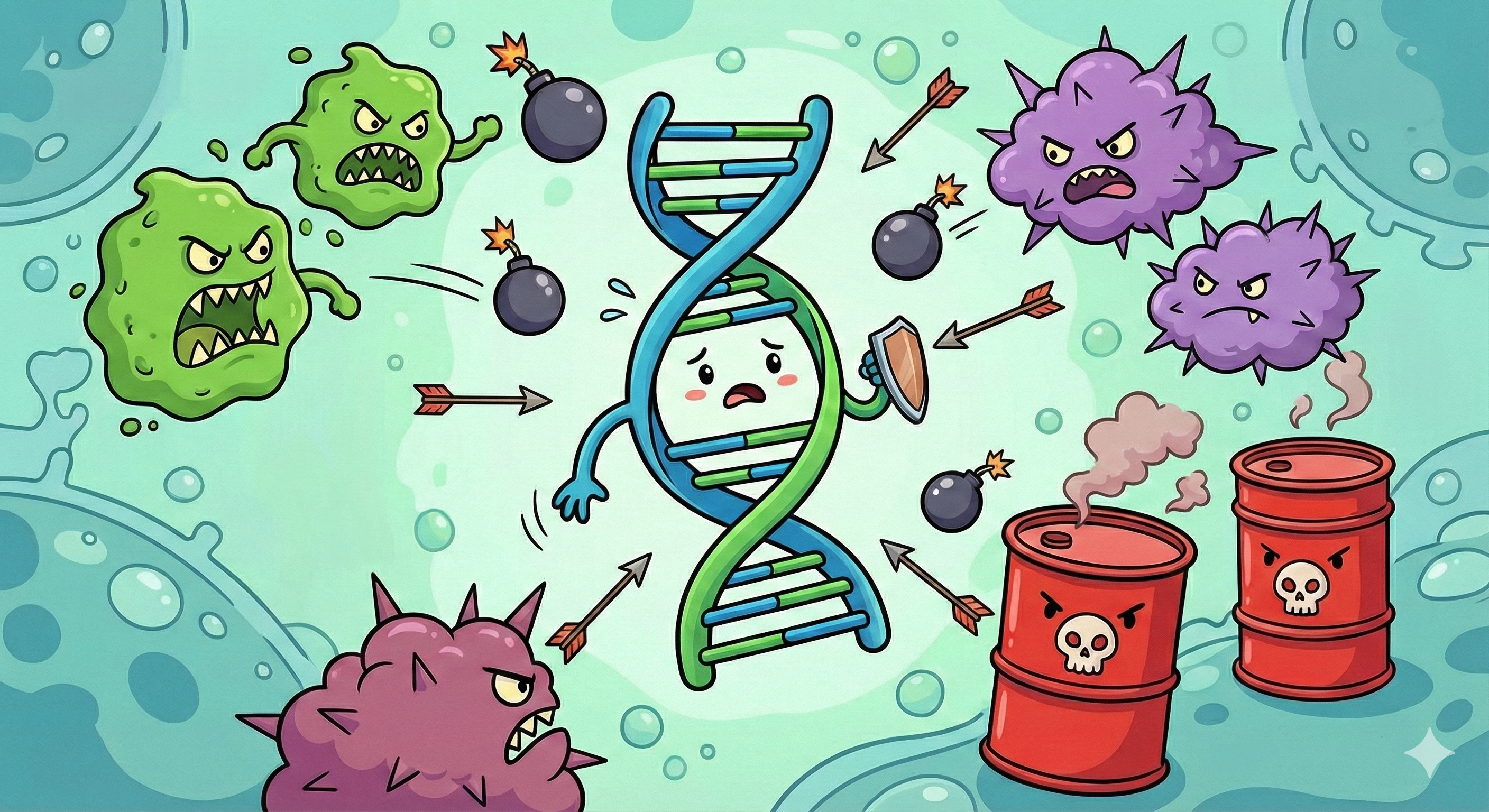
Damage/Error theory (Halliwell and Gutteridge 2015)

  • Aging is an accumulation of our body damages
  • Aging is controlled by our exposure to aging factors
Damage Theory

Damage Theory

Observing age from biological evidence

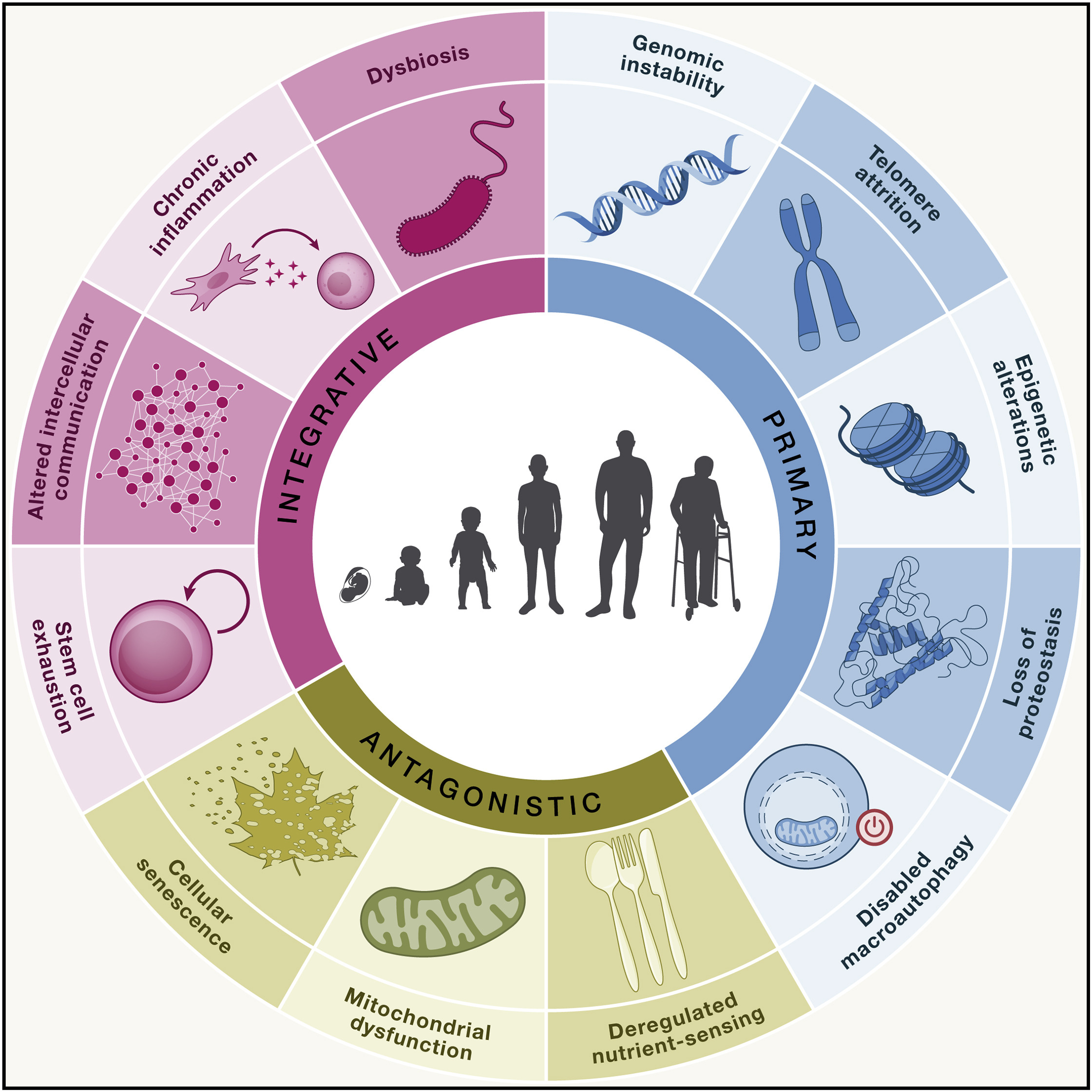
Hallmarks of aging

  • Primary (damage initiators)
    • Genomic instability
    • Telomere attrition
    • Epigenetic alterations
    • Loss of proteostasis
    • Disabled macroautophagy
  • Antagonistic (responses that become harmful when overactive)
  • Integrative (downstream, system-level failures)
Hallmarks of Aging (López-Otı́n et al. 2023)

Hallmarks of Aging (López-Otı́n et al. 2023)

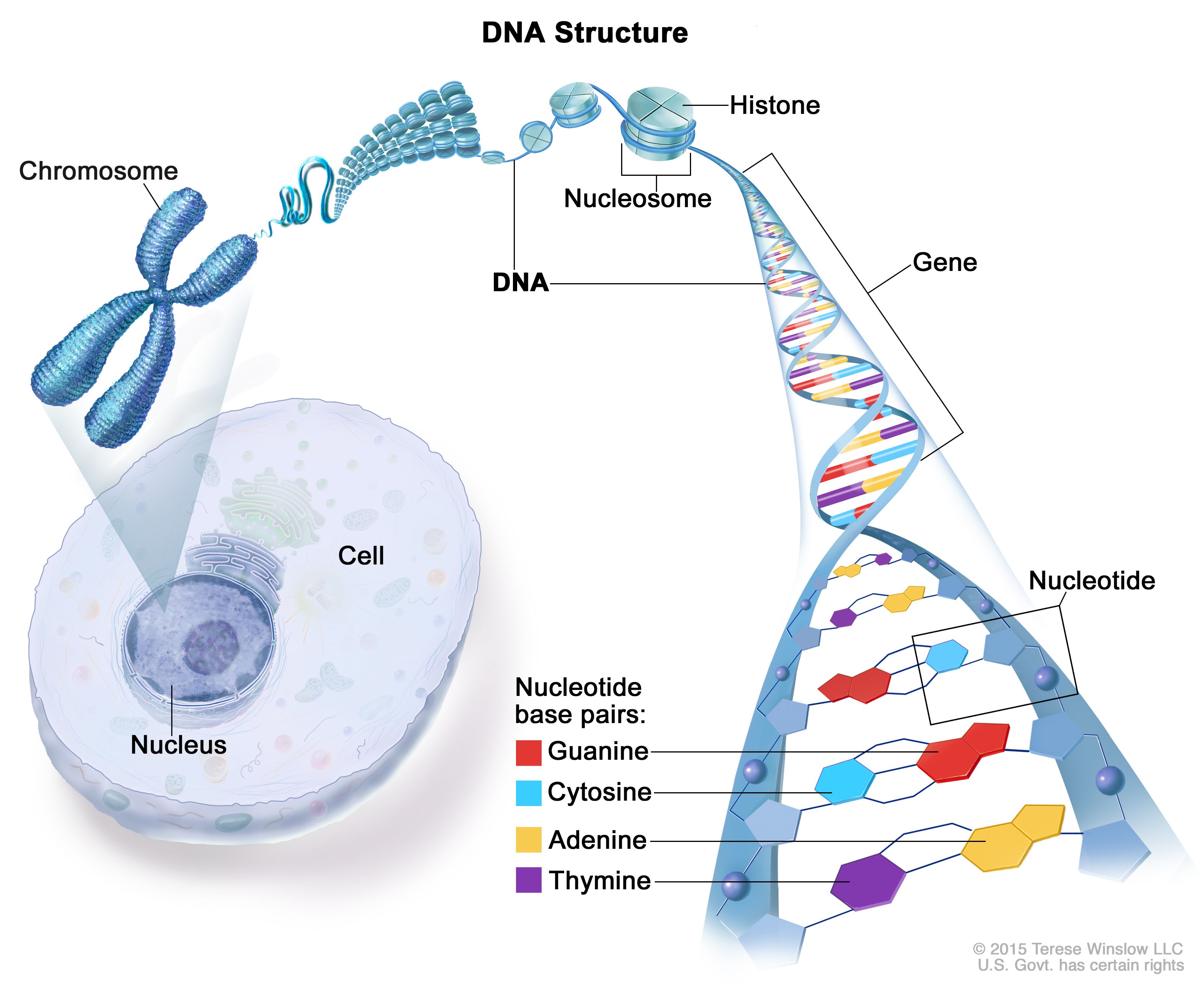
Overview of DNA

  • DNA is a recipe for our body to create different proteins to sustain our body functions
  • Mutation of DNA (genomic instability) could consequently result in cancer or aging
DNA Overview from National Cancer Institute

DNA Overview from National Cancer Institute

Turning off gene - epigenetics

  • Expression of gene could be turned on and off
    • Your eyes and heart consist of different cells
  • Unintentionally turn on and off could cause illness
  • The study of the mechanism of turning on/off genes without modifying DNA is called Epigenetics
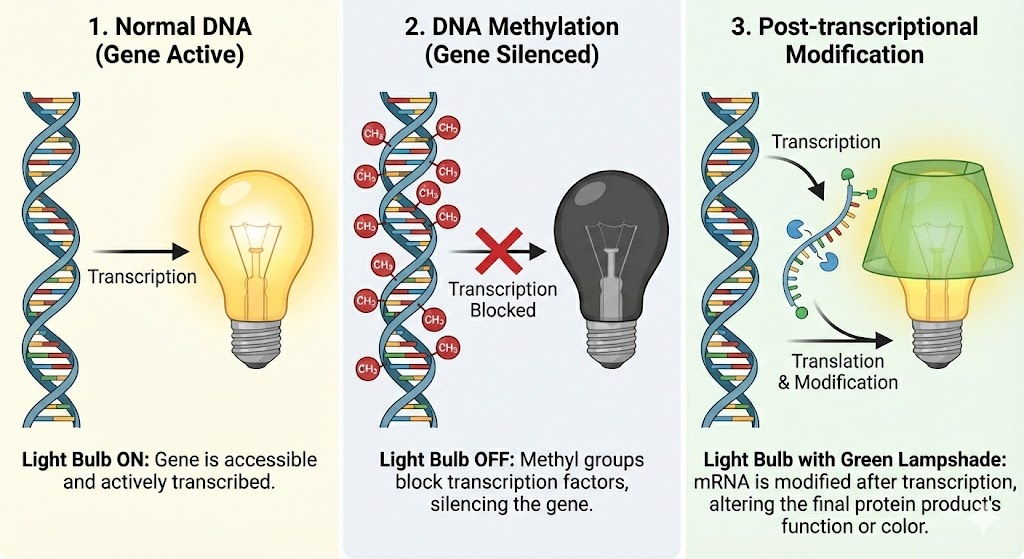
Concept of Epigenetics

Concept of Epigenetics

Epigenetic clocks

  • From the damage theory perspective, researchers guess
  • Turning off (methylation) some genes should be highly associated with age
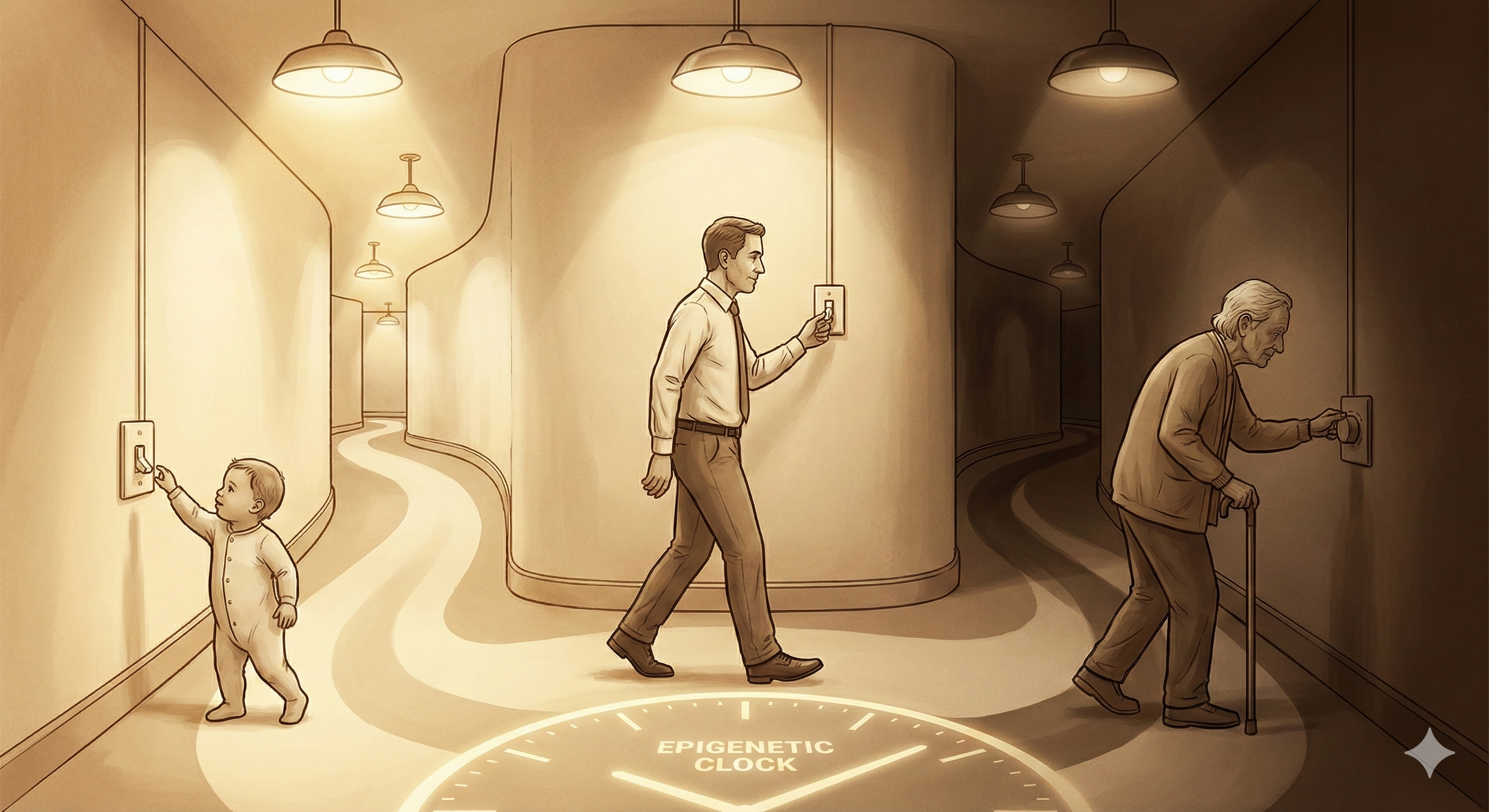
Epigenetic Clocks

Epigenetic Clocks

AI in searching the switch

  • There are approximately 20,000 genes in humans
  • Identifying which switch is associated with aging is challenging
  • AI and big data to search those switches
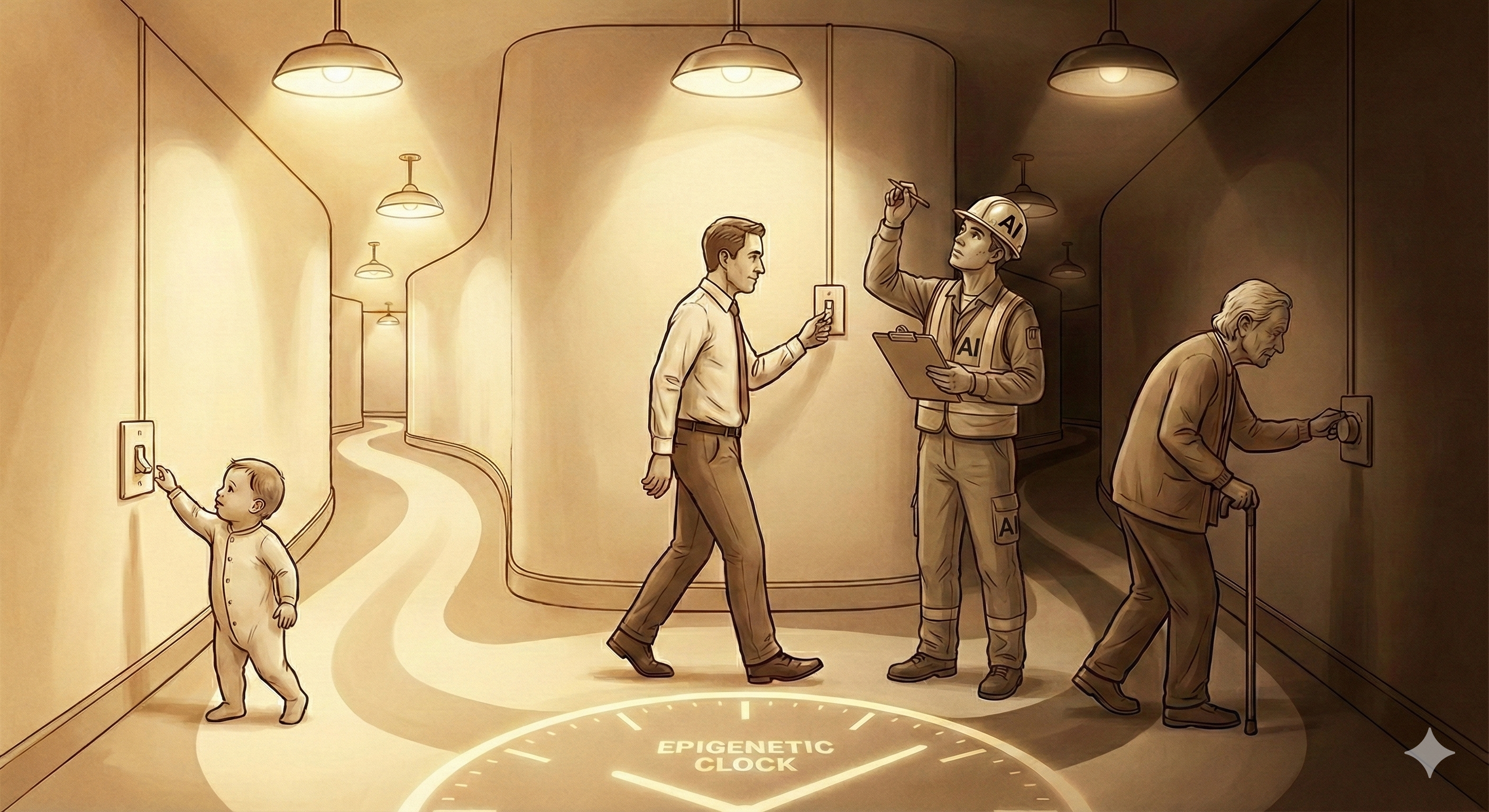
AI in Searching Epigenetic Features

AI in Searching Epigenetic Features

AI in searching the switch

  • Hypermethylation: Over methylation, fewer switches being turned on
  • Hypomethylation: Under methylation, more switches being turned on
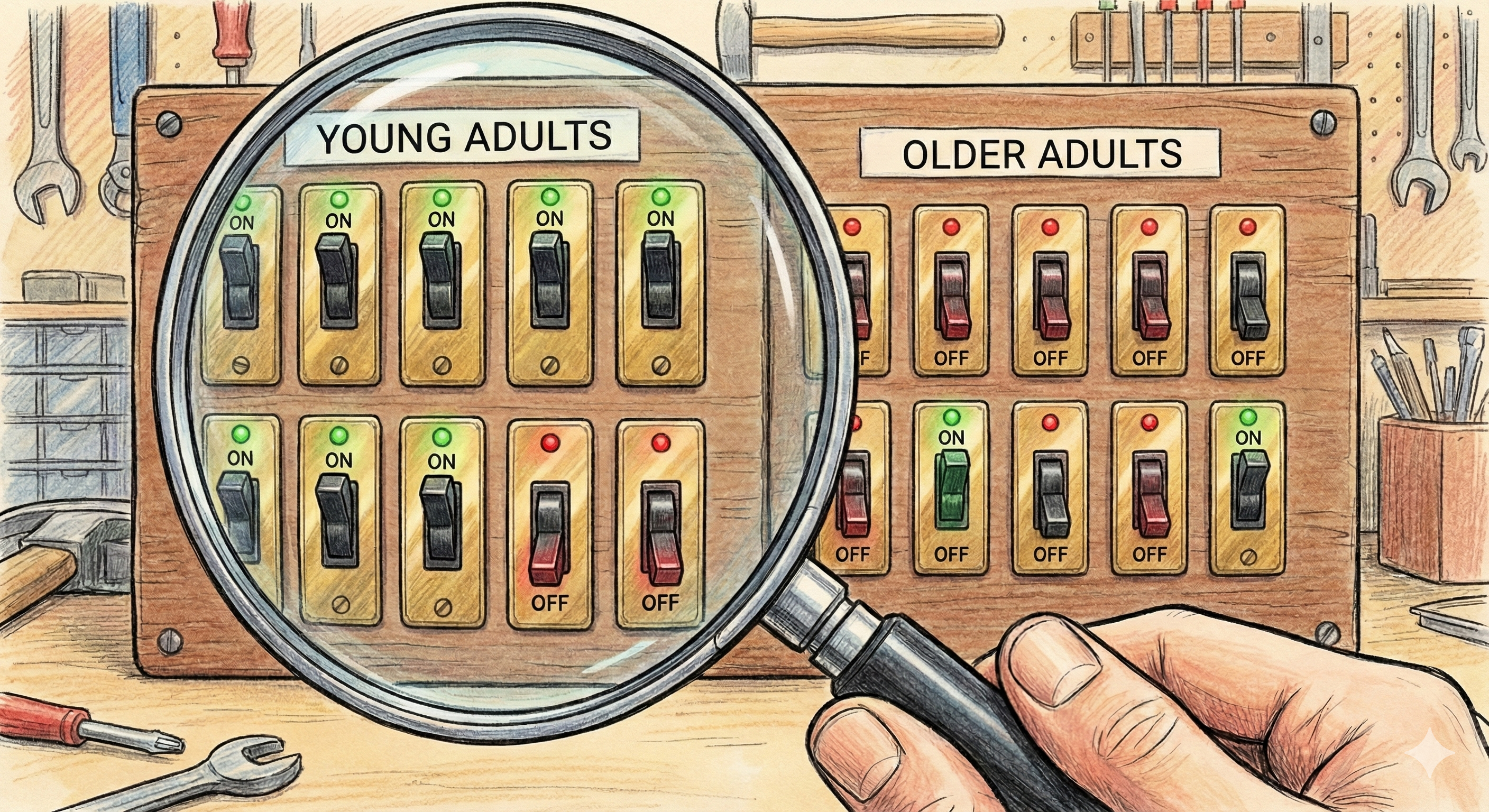
AI in Searching Epigenetic Features

AI in Searching Epigenetic Features

Increasing clincal relevance

  • Estimating age could bring little knowledge to the clinical setting
  • Researchers start to explore different outcomes
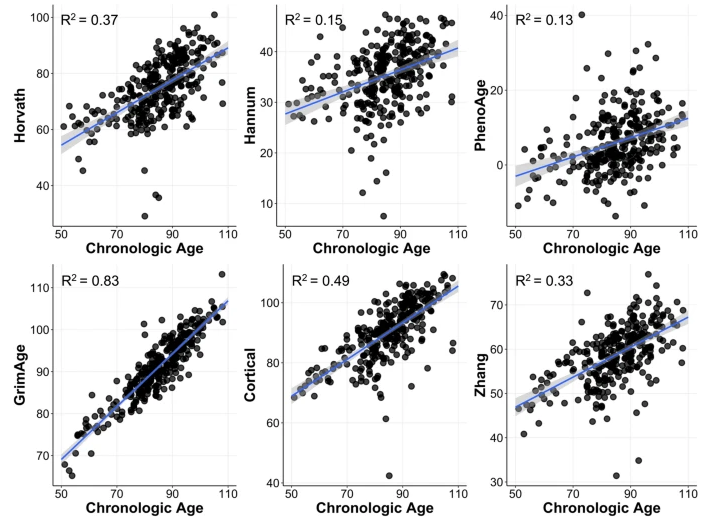
Epigenetic Clock

Epigenetic Clock
  • First generation (Chronological)
    • Horvath Clock
    • Hannum Clock
  • Second generation (Clinical outcome: mortality, cancer, and etc.)
    • GrimAge
    • Levine/Phenoage
  • Third generation (Pace of aging)
    • DunedinPACE
    • Levine/Phenoage

Insight to keep young

  • Outliers from the epigenetic clock could bring some insights
  • AI predicts older than actual age
    • Potentially aging faster than people of the same age
  • AI predicts younger than actual age
    • Potentially aging slower than people of the same age
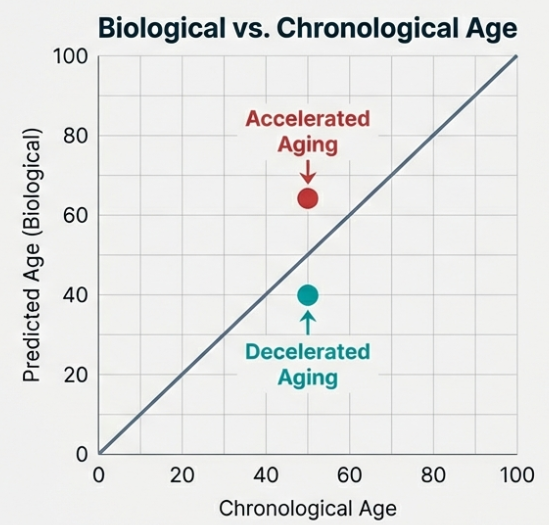
Outliers

Outliers

AI in searching key to young

  • The effect of DNA methylation is reversible
  • There is a chance for scientist to identify what kind of factors could benefit reversing methylation
  • AI is used to identify common characteristics for people with accelerated and decelerated aging, including:
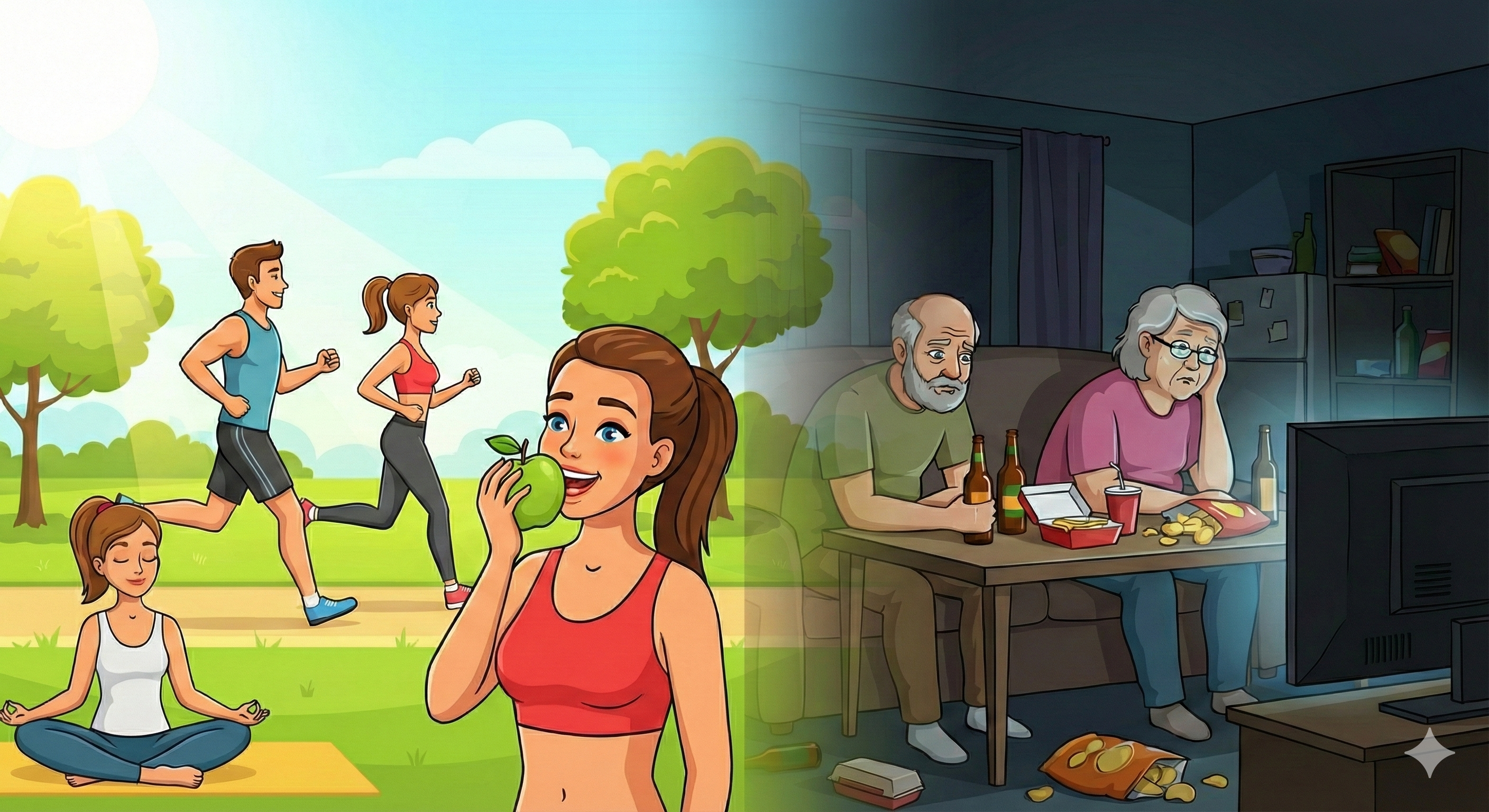
Lifestyle Affects Epigenetic Modification

Lifestyle Affects Epigenetic Modification

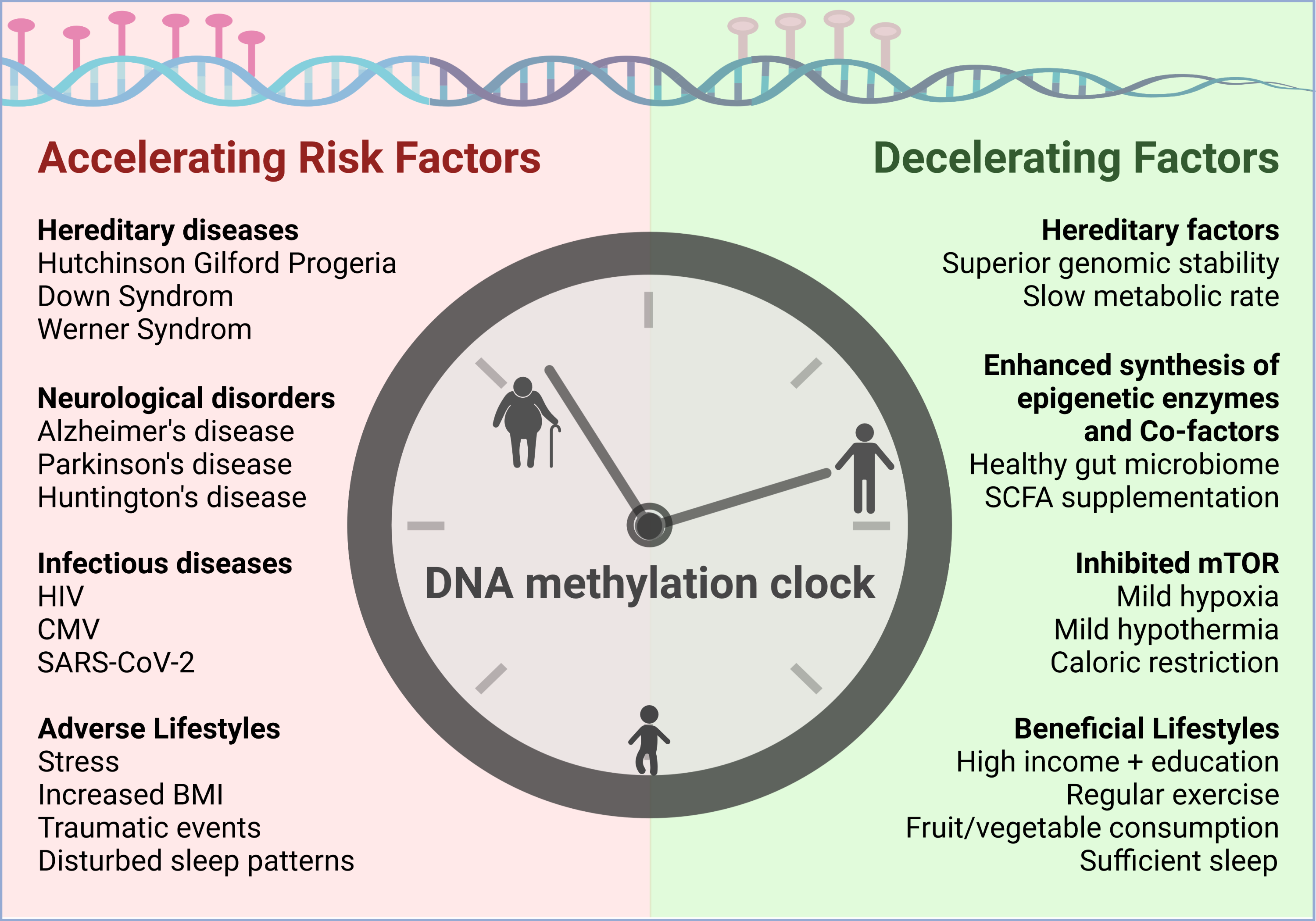
Factors affecting aging clock - Overview

  • Factors are in a few categories
    • Hereditary factors
    • Disorder/disease
    • Balanced body microsystems
    • Lifestyles

Overview of Factors Affecting Epigenetic Clock (Galow and Peleg 2022)

Overview of Factors Affecting Epigenetic Clock (Galow and Peleg 2022)

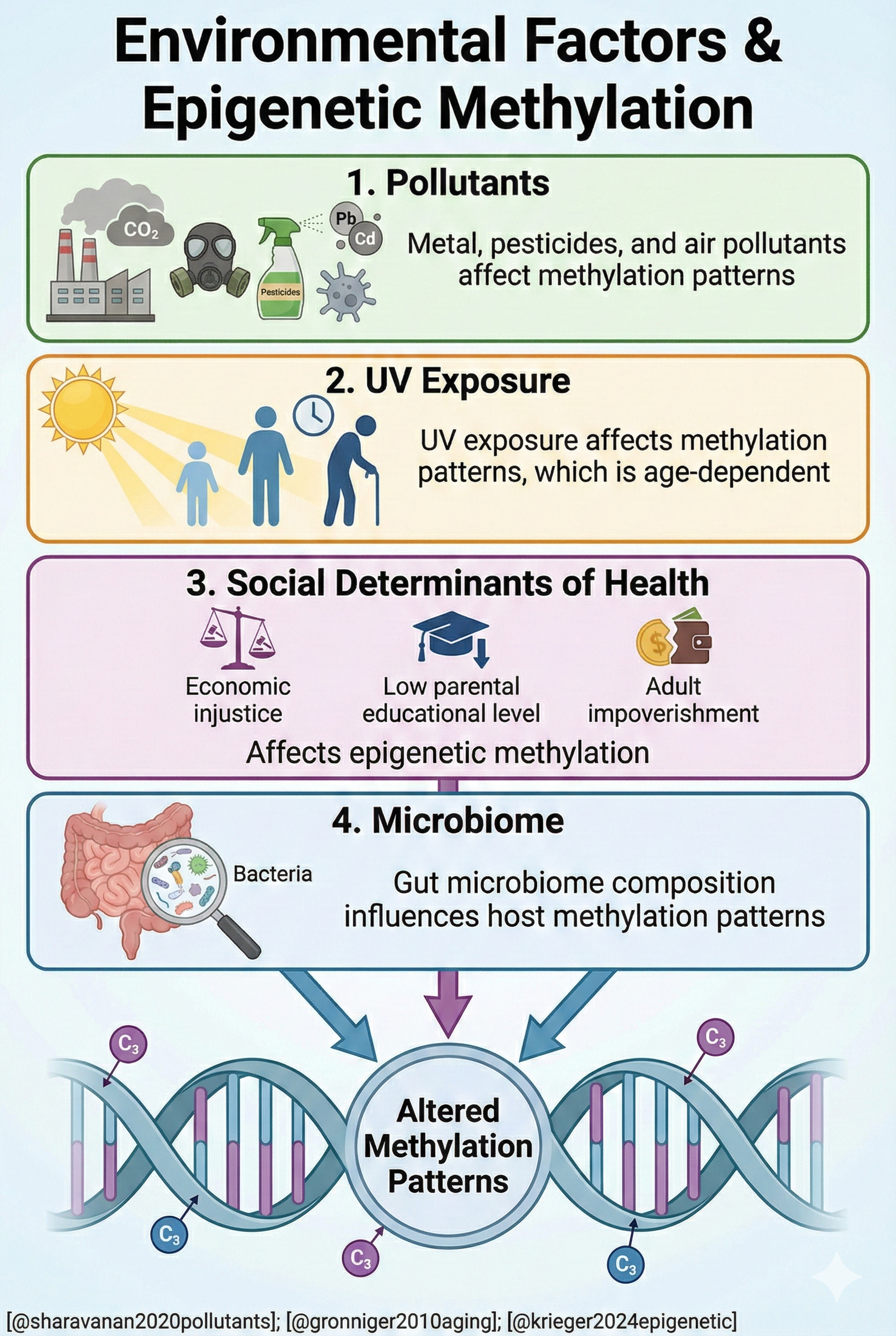
Environmental factors

Environmental Factors Affecting Epigenetic Clock

Environmental Factors Affecting Epigenetic Clock

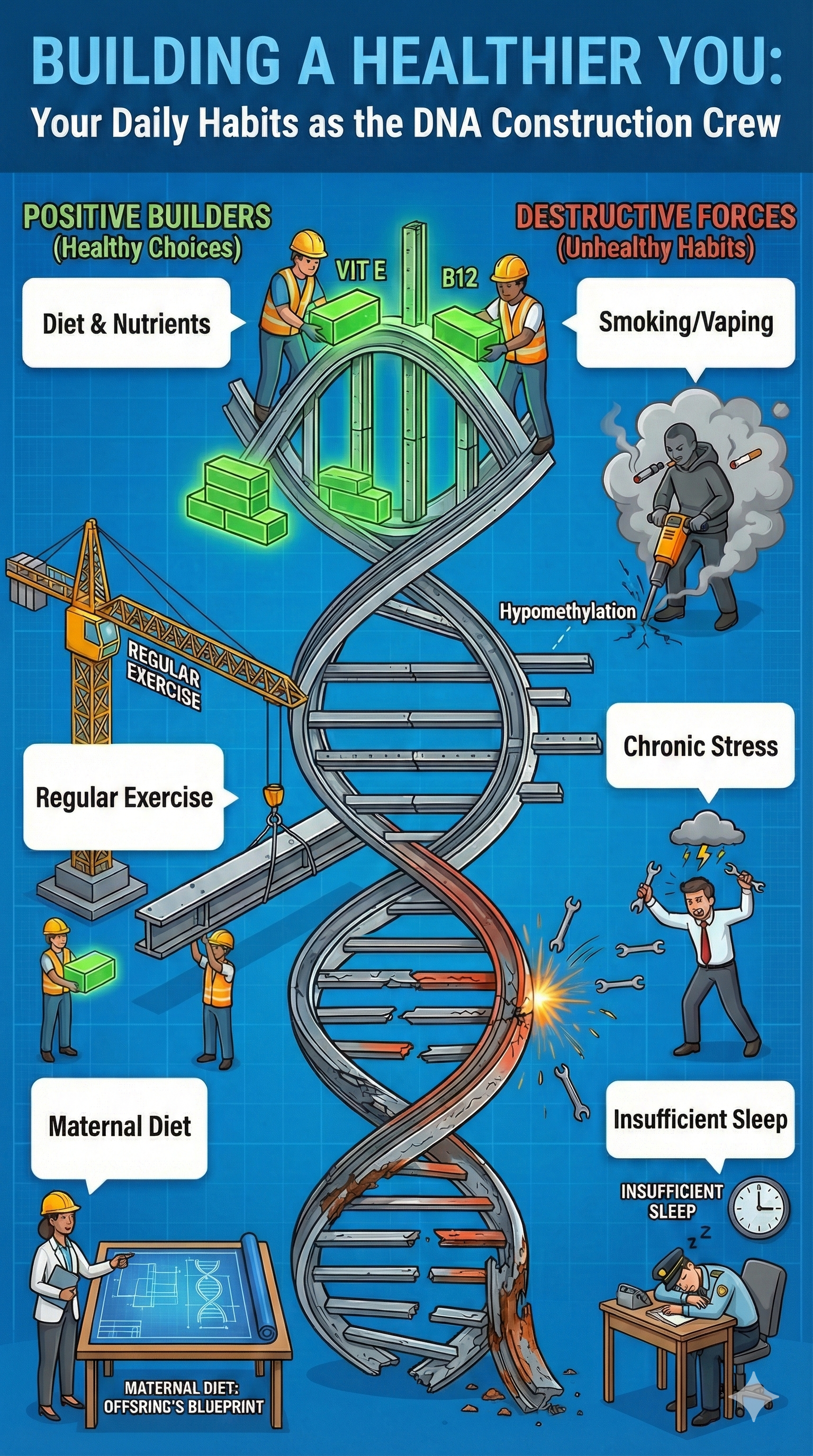
Lifestyle factors

Lifestyle Factors Affecting Epigenetic Clock

Lifestyle Factors Affecting Epigenetic Clock

Aging from appearance

Appearance and gene

  • Phenotype: Observable characteristics or traits of an organism
  • Phenotype is the interaction of genes plus environment (nature and nurture)
  • Example: Twins with similar but not exactly identical appearance
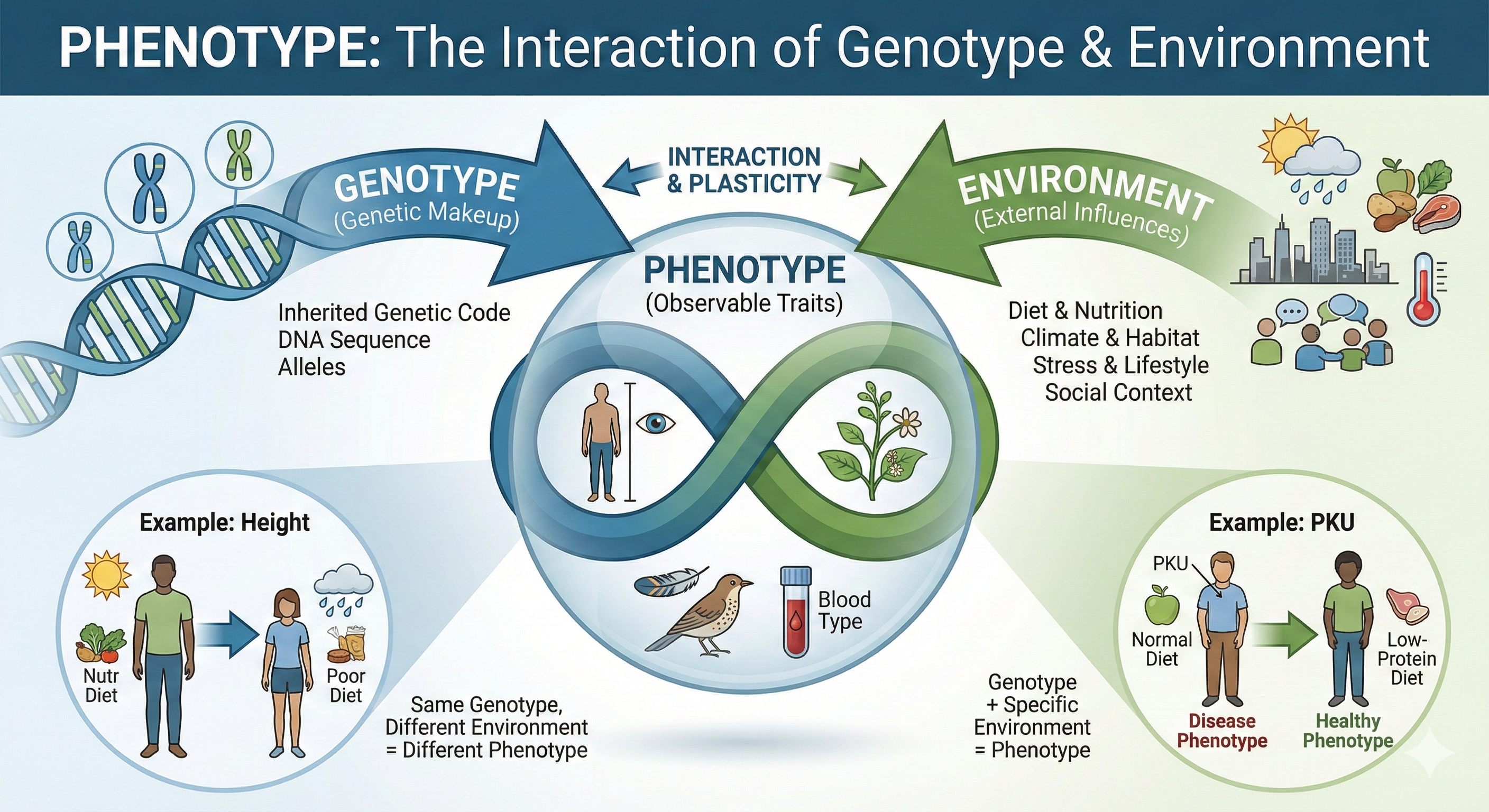
Phenotype

Phenotype

Implication

Your appearance is modifiable

Guessing age

  • You can guess one’s age from
    • Appearance
    • Sound
    • Behavior
  • AI can also guess from
    • Appearance: skin texture, wrinkles
    • Sound: frequency and tones

Implication

  • We want to look young !
    • AI’s estimation and outliers could help
      • Estimate age
      • Potential reasons why some people look young/old

Guessing age from your photo

Mechanism

  • AI will extract relevant features from the image
  • Making predictions based on the features
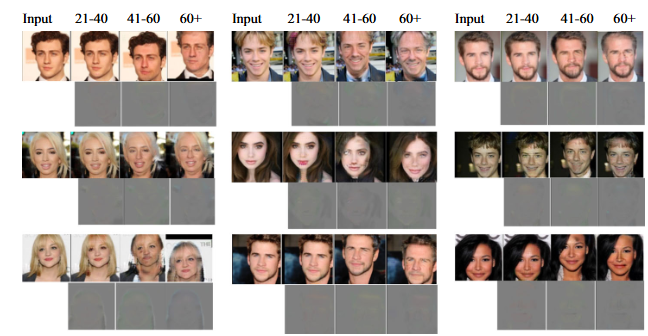
Face Age Detector & Generator (Sharma, Sharma, and Jindal 2021)

Face Age Detector & Generator (Sharma, Sharma, and Jindal 2021)

Play around !

Instruction

Please record:

  1. Which website you use
  2. AI underestimate/overestimate/ perfectly predict your age
  3. Try repeating a few times using different models/pictures

Learning from error

  • From this class we see researchers investigate through AI prediction errors
  • Prediction errors provide insights:
    • Potential factors making error
    • Improving AI model
    • Better usage of the model

Wrap-up

  • Biological markers for aging
  • How does AI predict your age from your gene
  • How does AI model inform younger biological age
  • How does an AI model predict your age from your appearance

Guess who is younger?

Mentimeter voting

Mentimeter voting

Guess who is younger?

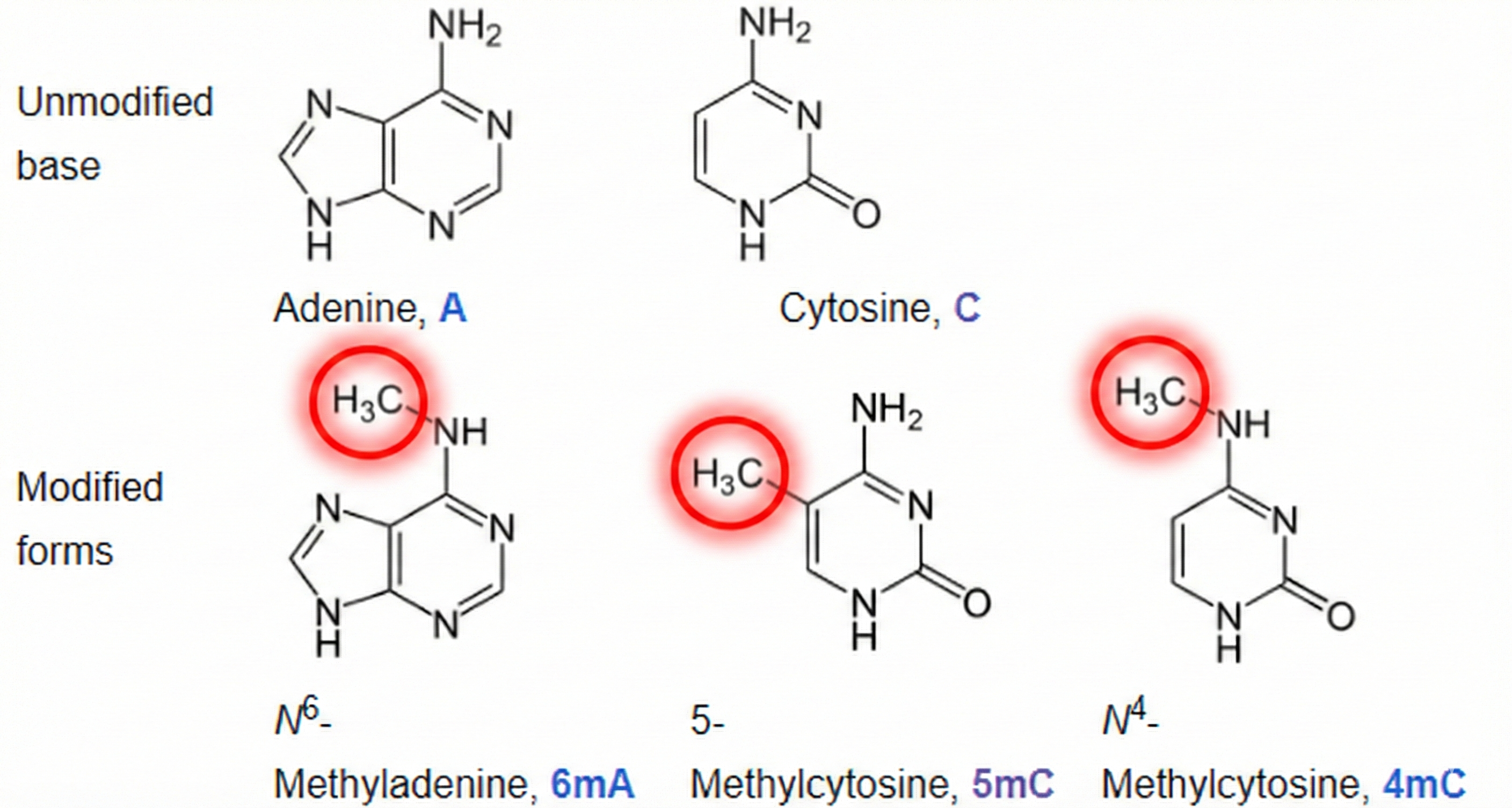
DNA methylation - chemical switch

  • Definition: methyl group (\(\text{-CH}_3\)) attached to the DNA
  • Primarily refers to \(\text{-CH}_3\) on the 5th carbon of cytosine (C), creating 5-methylcytosine (5mC)
  • Other forms include 6mA and 4mC

DNA Methylation, modified from Wikipedia

DNA Methylation, modified from Wikipedia

DNA methylation - mechanism

  • Before the gene, there will be a lot of cytosine(C) before a gene, which control the gene is expressed or not
  • Methylation will force the switch to turn off.
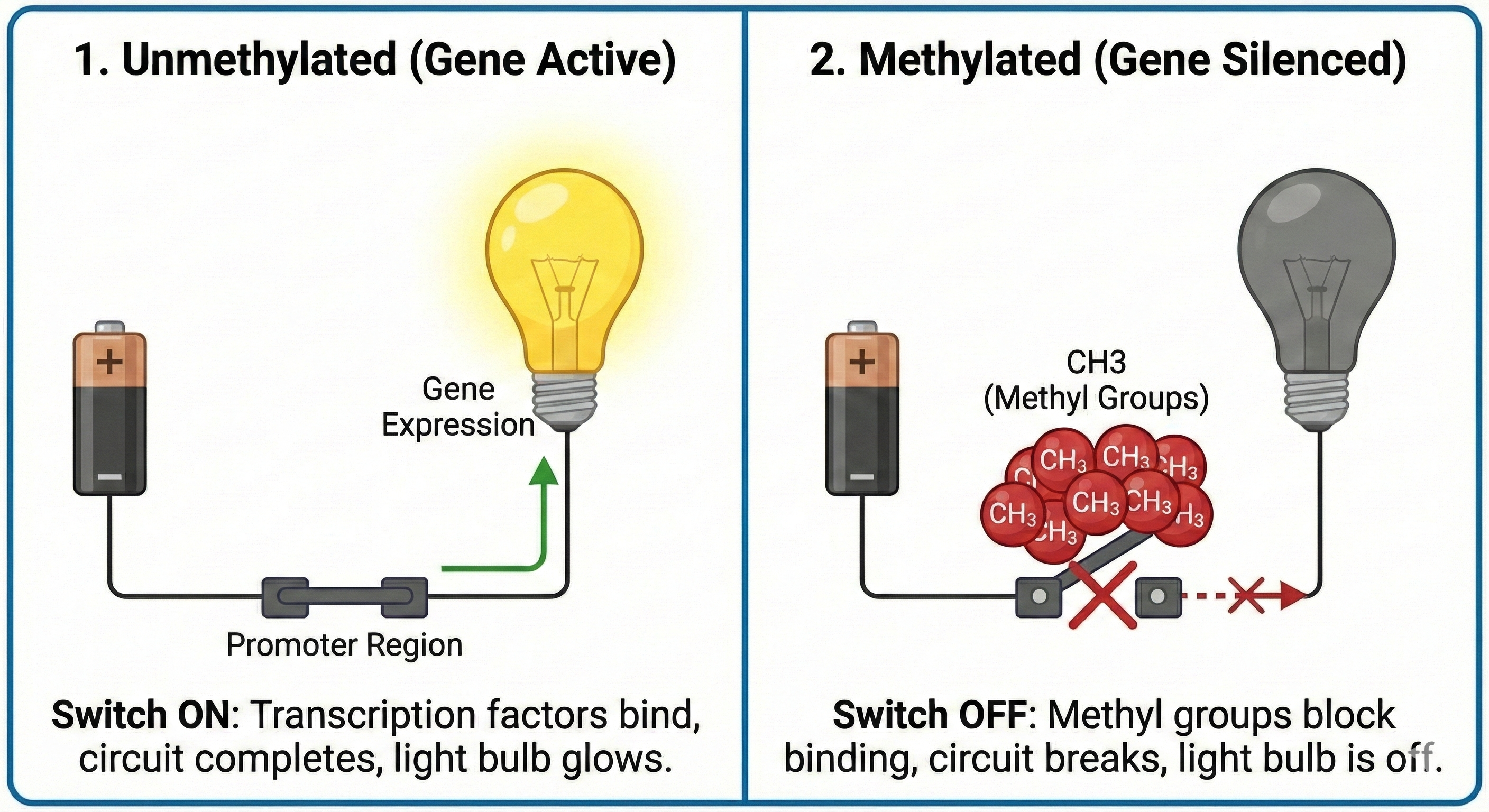
DNA Methylation, modified from Wikipedia

DNA Methylation, modified from Wikipedia

Bibliography Notes

Begum, Nusrat, Aniket Mandhare, Kamatham Pushpa Tryphena, Saurabh Srivastava, Mohd Farooq Shaikh, Shashi Bala Singh, and Dharmendra Kumar Khatri. 2022. “Epigenetics in Depression and Gut-Brain Axis: A Molecular Crosstalk.” Frontiers in Aging Neuroscience 14: 1048333.
Bishop, Karen S, and Lynnette R Ferguson. 2015. “The Interaction Between Epigenetics, Nutrition and the Development of Cancer.” Nutrients 7 (2): 922–47.
Carroll, Judith E, Kharah M Ross, Steve Horvath, Michele Okun, Calvin Hobel, Kelly E Rentscher, Mary Coussons-Read, and Christine Dunkel Schetter. 2021. “Postpartum Sleep Loss and Accelerated Epigenetic Aging.” Sleep Health 7 (3): 362–67.
Chmurzynska, Agata. 2010. “Fetal Programming: Link Between Early Nutrition, DNA Methylation, and Complex Diseases.” Nutrition Reviews 68 (2): 87–98.
Costa, João Pinto da, Rui Vitorino, Gustavo M Silva, Christine Vogel, Armando C Duarte, and Teresa Rocha-Santos. 2016. “A Synopsis on Aging—Theories, Mechanisms and Future Prospects.” Ageing Research Reviews 29: 90–112.
Galow, Anne-Marie, and Shahaf Peleg. 2022. “How to Slow down the Ticking Clock: Age-Associated Epigenetic Alterations and Related Interventions to Extend Life Span.” Cells 11 (3): 468.
Grönniger, Elke, Barbara Weber, Oliver Heil, Nils Peters, Franz Stäb, Horst Wenck, Bernhard Korn, Marc Winnefeld, and Frank Lyko. 2010. “Aging and Chronic Sun Exposure Cause Distinct Epigenetic Changes in Human Skin.” PLoS Genetics 6 (5): e1000971.
Halliwell, Barry, and John MC Gutteridge. 2015. Free Radicals in Biology and Medicine. Oxford university press.
Jokai, Matyas, Ferenc Torma, Kristen M McGreevy, Erika Koltai, Zoltan Bori, Gergely Babszki, Peter Bakonyi, et al. 2023. “DNA Methylation Clock DNAmFitAge Shows Regular Exercise Is Associated with Slower Aging and Systemic Adaptation.” GeroScience 45 (5): 2805–17.
Krieger, Nancy, Christian Testa, Jarvis T Chen, Nykesha Johnson, Sarah Holmes Watkins, Matthew Suderman, Andrew J Simpkin, et al. 2024. “Epigenetic Aging and Racialized, Economic, and Environmental Injustice: NIMHD Social Epigenomics Program.” JAMA Network Open 7 (7): e2421832–32.
López-Otı́n, Carlos, Maria A Blasco, Linda Partridge, Manuel Serrano, and Guido Kroemer. 2023. “Hallmarks of Aging: An Expanding Universe.” Cell 186 (2): 243–78.
Philibert, Robert A, Steven RH Beach, and Gene H Brody. 2012. “Demethylation of the Aryl Hydrocarbon Receptor Repressor as a Biomarker for Nascent Smokers.” Epigenetics 7 (11): 1331–38.
Sharavanan, Vivek Jagadeesan, Muthusaravanan Sivaramakrishnan, N Sivarajasekar, N Senthilrani, Ram Kothandan, Nirajan Dhakal, S Sivamani, Pau Loke Show, Md Rabiul Awual, and Mu Naushad. 2020. “Pollutants Inducing Epigenetic Changes and Diseases.” Environmental Chemistry Letters 18 (2): 325–43.
Sharma, Neha, Reecha Sharma, and Neeru Jindal. 2021. “Prediction of Face Age Progression with Generative Adversarial Networks.” Multimedia Tools and Applications 80 (25): 33911–35.
Światowy, Witold Józef, Hanna Drzewiecka, Michalina Kliber, Maria Sąsiadek, Paweł Karpiński, Andrzej Pławski, and Paweł Piotr Jagodziński. 2021. “Physical Activity and DNA Methylation in Humans.” International Journal of Molecular Sciences 22 (23): 12989.
Zannas, AS, and GP Chrousos. 2017. “Epigenetic Programming by Stress and Glucocorticoids Along the Human Lifespan.” Molecular Psychiatry 22 (5): 640–46.