Older Adults
Health
Monitoring

Yu Cheng Hsu

Learning outcomes

  1. Understand the challenges and opportunities of health monitoring for older adults
  2. Learn about different types of health monitoring technologies and their applications
  3. Explore the ethical considerations and future perspectives of health monitoring for older adults

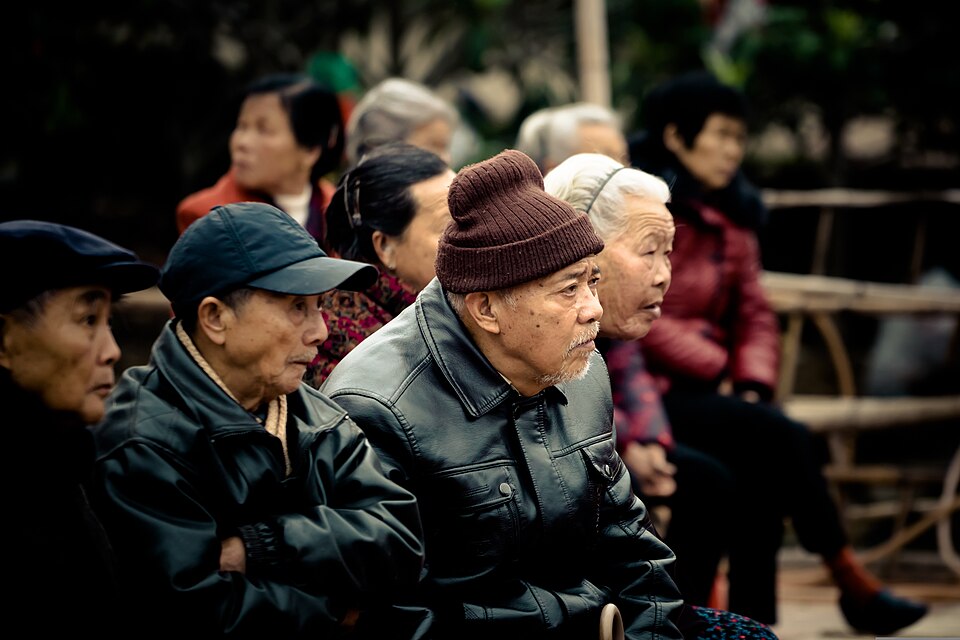
Aging Society

Population aging

  • Aging is a global issue, especially in devleoped countries
  • Definition
    • More than 7% of population aged 65 or more
  • Reason
    • Longevity
    • Lower fertility rate

aging society

aging society

Aging in place

  • Aging in East and NE Asia is an urgent topics
    • Hong Kong: more than 20% of residents aged 65 or above
    • China: more than 15% of residents aged 65 or above
    • Japan: more than 29% of residents aged 65 or above

aging in asia

aging in asia

Challenges - physical frailty

A practical challenges is decline of function along with aging

  • Physcial
    • Reduce muscle masss
    • Lower bone density
  • Cognitive
    • Reduce processing spped
    • Reduce working memory
    • Reduce execution speed
  • Consequence
    • Prone to injury

physical frailty

physical frailty

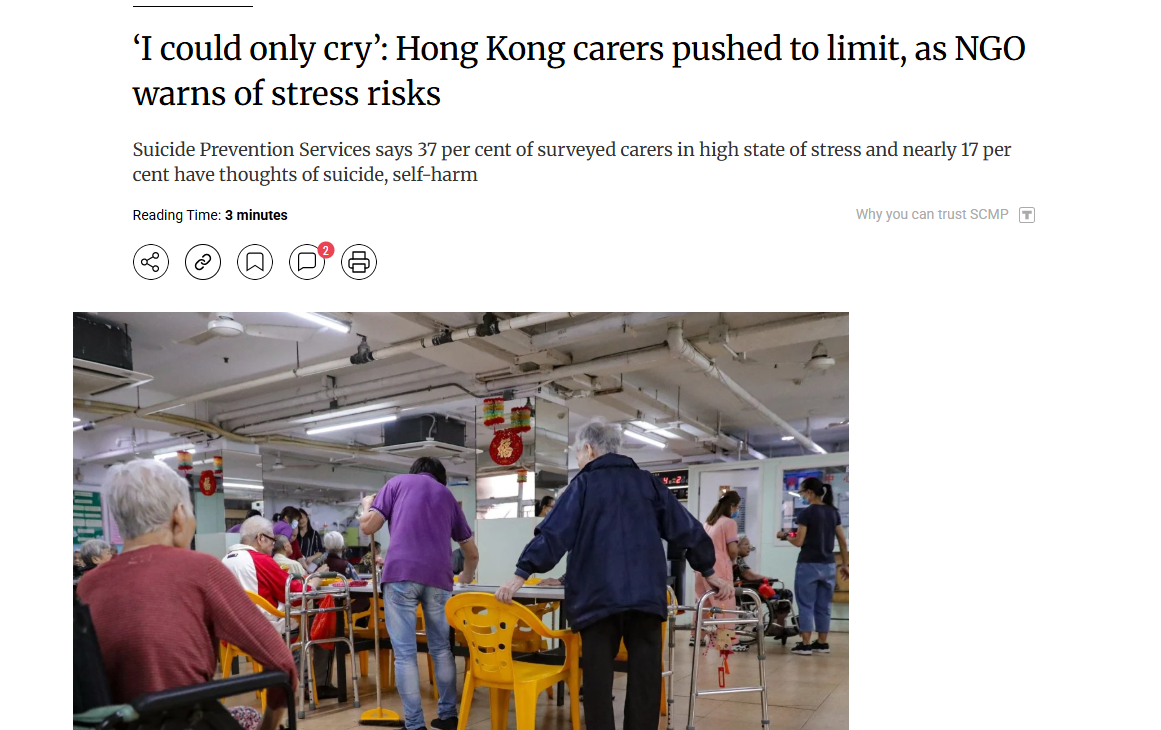
Challenges - caregiver burnout

Taking care of a people could result in

  • Physical burnout
    • Physical exhaustion
    • Somatic synptoms
  • Mentally burnout
    • Stressed
    • Depression

Caregiver nurnout News link

Caregiver nurnout News link

Healthy aging

Definition: develping and maintaining functional ability

  • Functional ability
    • Meet basic needs
    • Learn,grow, and make decision
    • mobility
    • Build and maintain relationship
    • Contribute to society

Healthy aging

Healthy aging

Health monitoring of older adults

Health monitoring of older adults

  • Technology could help
    • Extend healthy aging duration
    • Lowered threshold to acheive functional ability

aging society

aging society

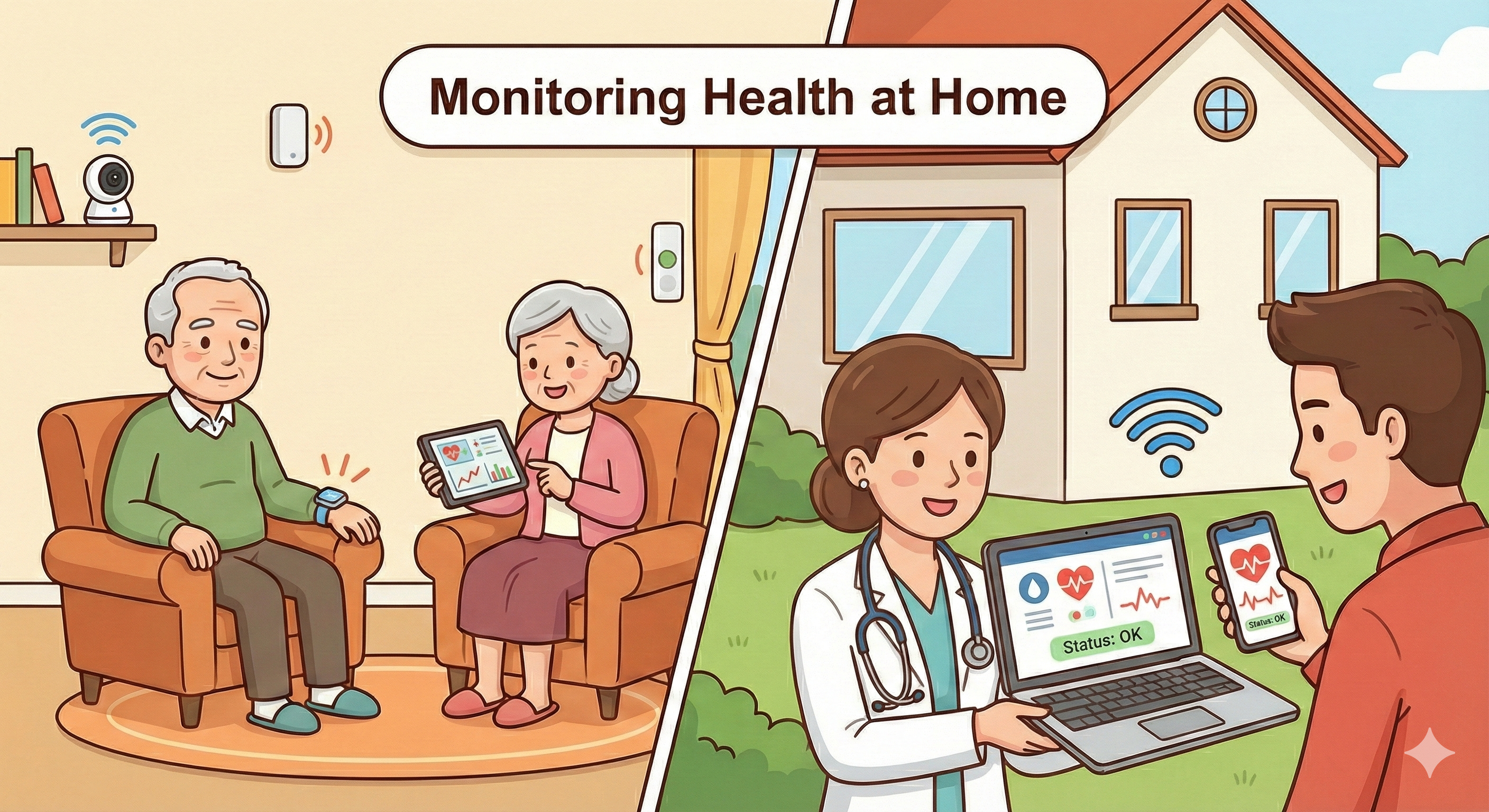
Older adults health monitoring

Health monitoring assist older adults life in

Older adult health

  • Continuous monitoring leads to
    • Early prevention
    • Chronic condition management

Caregiver perspective

  • Reduce caring burden
  • Easier health information management
  • Remote management

health monitoring

health monitoring

Wearable devices

Wearable devices monitoring

  • Cardiovascular health
    • Heart rate
    • Blood pressure
    • Electrocardiogram (ECG)
  • Respiratory health
    • Blood oxygen level
    • Respiratory rate
  • Activities
    • Exercise
    • Sleep

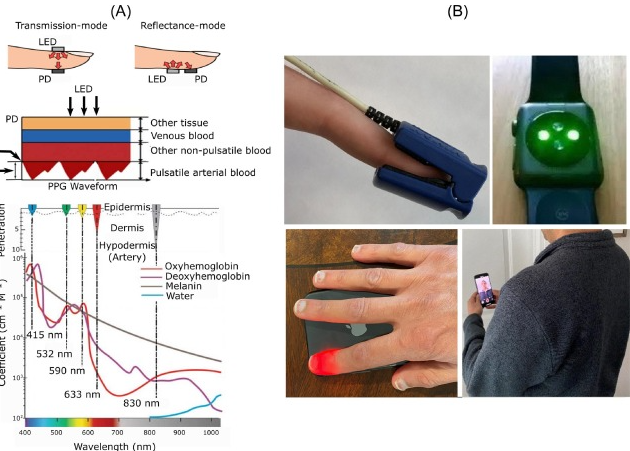
Sensor technology

  • Photoplethysmography Photoplethysmography

  • Acclerometer

  • ECG

Domestic health monitoring machines for targeted purpose

Spirometry

  • Pulmonary functional test
  • Monitoring chronic pulmonary disease (COPD, asthma)
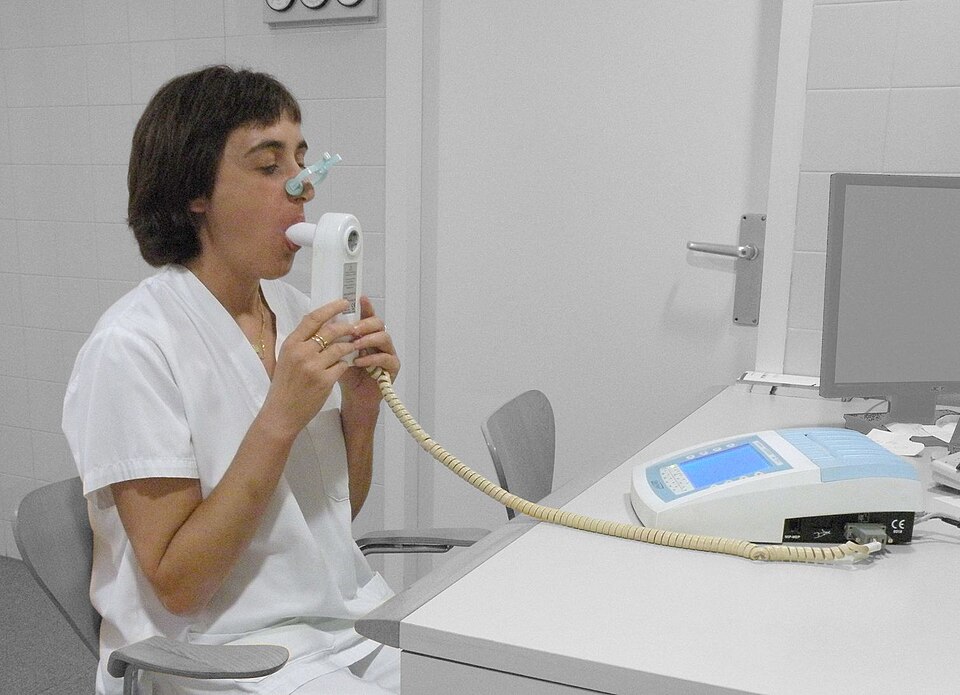
Spirometry (Image link)

Spirometry (Image link)

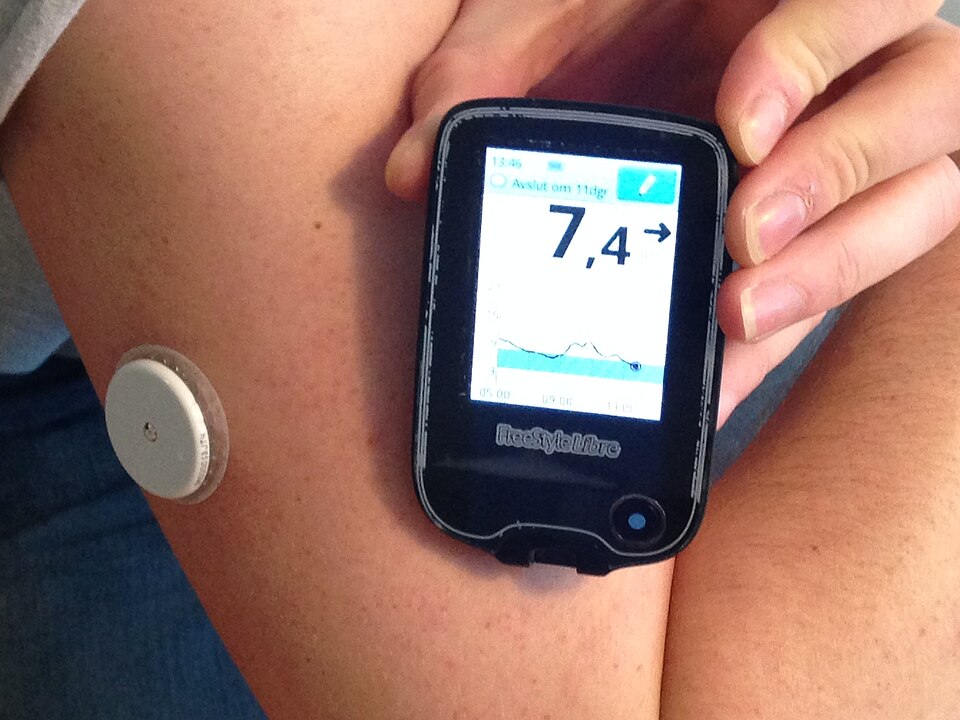
Continuous glucose monitor (CGM)

  • Glucose monitoring for diabete patients

CGM (Image link)

CGM (Image link)

Consideration of using wearable devices

  • Data formatting
  • Interpretation of measured data
  • Integration of different data modality
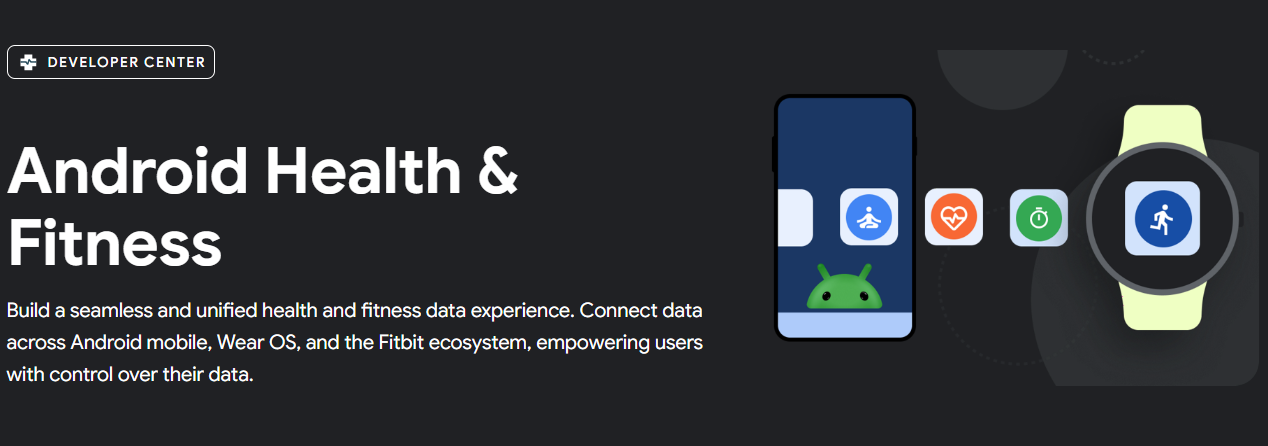
    • Android Health connect
    • Apple Health

Android health

Android health

Apple Health

Apple Health

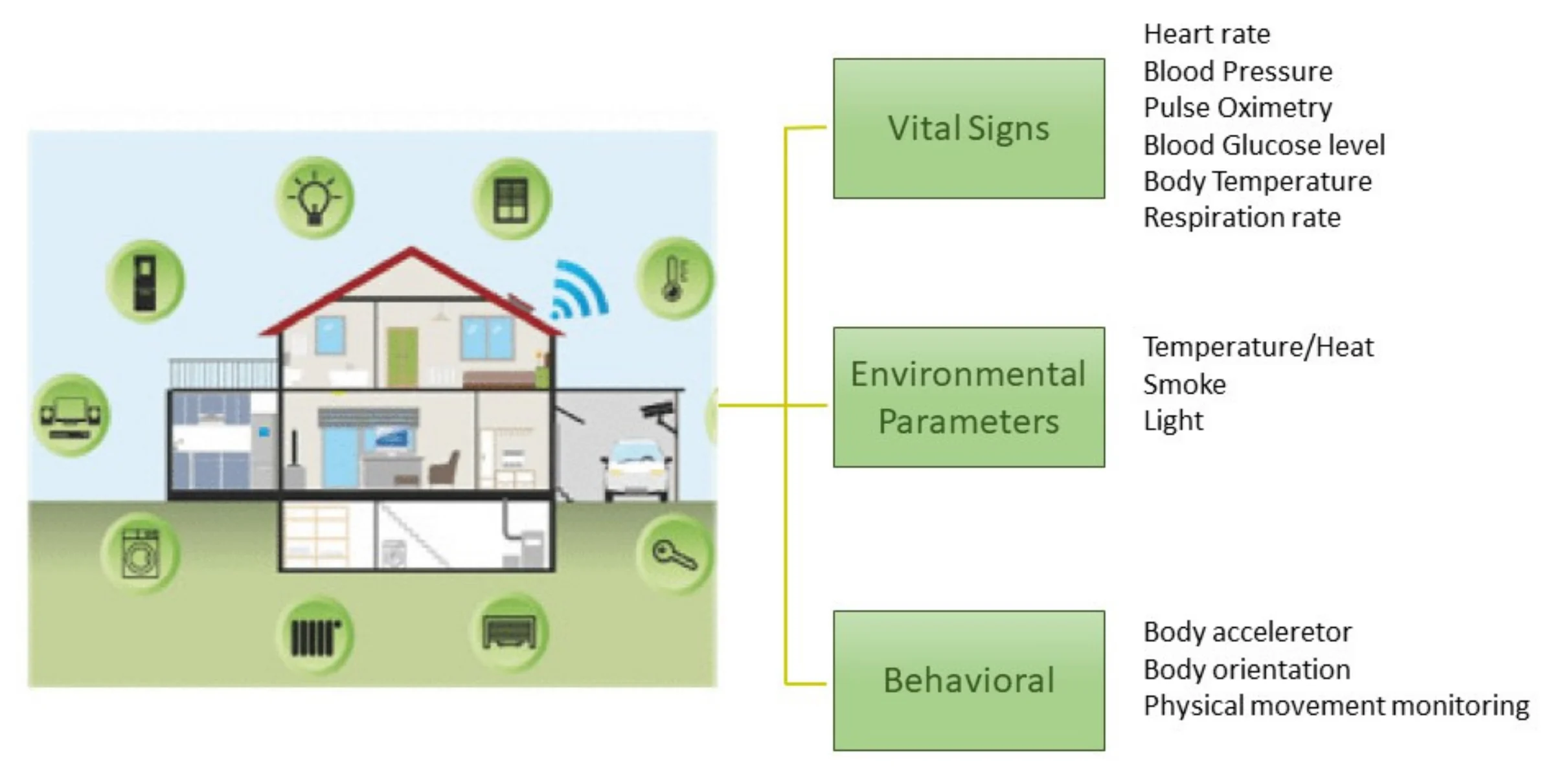
Ambient assisted living

The other type of older adults monitoring gare environmental monitoring

  • Camera
    • Fall
  • Gas
    • Smoke
    • Air Quality
  • Humidity
  • Light
  • Temperature

Ambient sensors image from Alkhomsan et al. (2017)

Ambient sensors image from Alkhomsan et al. (2017)

AI-enabled monitoring

The problem of the simply monitoring is that we don’t take further steps.

Rule-based automation

Ppopular options include IFTTT(if, this, then ,that) or Apple/Goole home in built rule-based automation

  • Example
    • IF “Temperature > 26”
    • Then “Turn on Air con”

LLM-enabled home automation

  • Incorporate personal records, behavior to execute actions
  • Lowered coding requirementsfor automation

Online-offline collaboration

The other type of monitor-to-action is connecting to offline supports

Healthcare systems

  • Reporting health monitoring records for clinician as extra evidence
  • Emergency calling for stroke, fall events
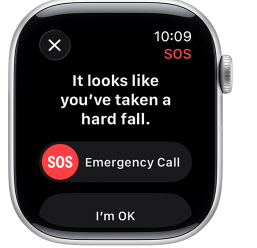
Apple fall detection image link

Apple fall detection image link

Socail support

  • Connecting to social services
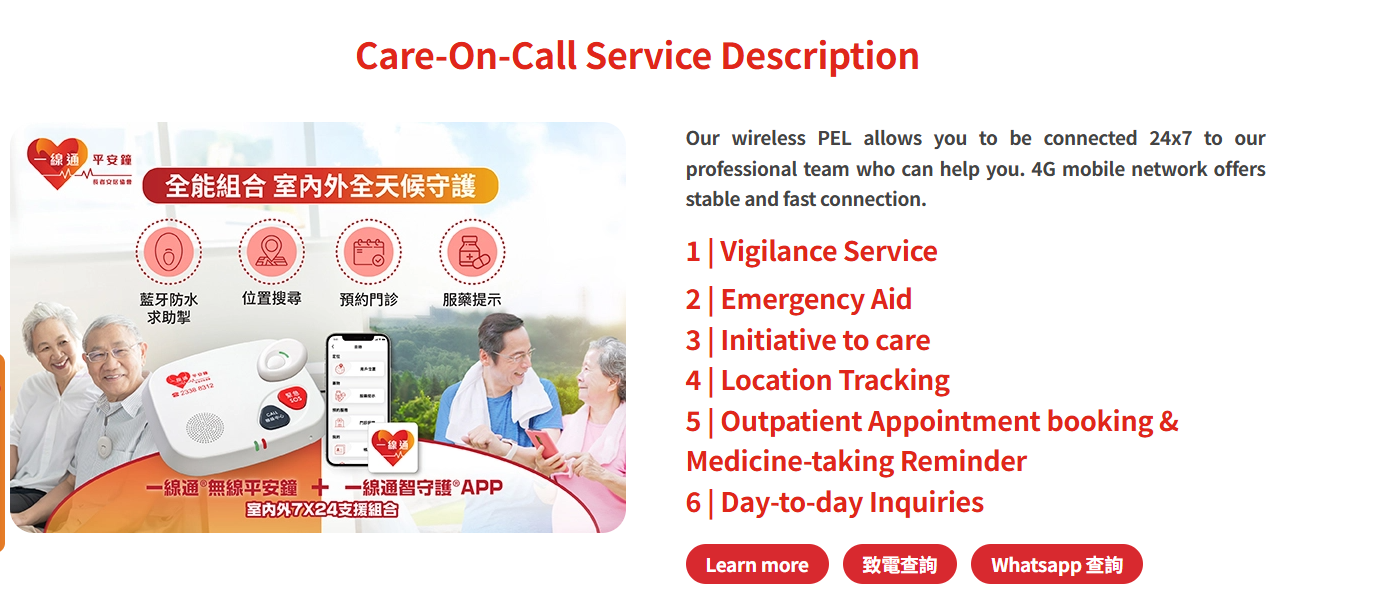
  • Emergency call service (平安鐘)

Emergency call service image link

Emergency call service image link

Design your own scenario

The other type of monitor-to-action is connecting to offline supports

  • Profile: Mrs. Lin, 78 years old
  • Living situation: living alone in an apartment
    • Two adult children live overseas
  • Mobility: Walking slow, need to use a cane
  • Cognition: Occasionally forget things
  • Health: Managed hypertension and diabete, early-stage hearing loss

Problem

Her children are increasingly anxious. After the recent slip in the kitchen, they want to hire a full-time domestic helper, but Mrs. Lin refuses.

  1. What are the potential biological signs could be monitored
  2. What are the potential house sensor could be installed to increase home safety
  3. After installing 1. and 2. what are the potential action we can do if something happens?

Implementation aspects

Accepting new technology

Older adults are usually less accepting new technology

Factors affect older adults’ attitude toward new technology

  • Perceived usefulness
  • Perceived ease of use

The actual usefulness is not the key. The key is to facilitate older adults perceive its usefulness

Implementation

Some useful way to increase adoption rate of health monitoring technology

  • Active communication with older adults
  • Incentives
  • Peer / authoritative engagement

Ethical consideration

  • Privacy vs. Safety Trade-off
    • How much privacy are we willing to sacrifice for safety?
  • Data ownership
    • Who owns the health data
      • Older adults
      • Caregiver
      • Child
      • Device company

Future perspective

  • LLM integration
  • Mental health
  • More non-intrusive monitoring devices
Alkhomsan, Mashail N, M Anwar Hossain, Sk Md Mizanur Rahman, and Mehedi Masud. 2017. “Situation Awareness in Ambient Assisted Living for Smart Healthcare.” IEEE Access 5: 20716–25.